Baseball Practice Plans with Drills and Template
If you’re tired of running baseball practices that look busy but what you taught doesn't show up on game day, this post is for you.
The difference between average teams and winning programs isn’t talent alone. It’s how coaches design baseball practice plans, protect practice time, and teach the game with intention.
Baseball Practice Plans template looks like this:
Total Time: 2–2.5 Hours
Dynamic Warm-Up & Throwing – 15–20 min
Individual Skill Work – 15–20 min
Group Defensive Drills – 15–20 min
Team Defensive Situations – 15–20 min
Hitting / Baserunning / Pitching – 40–60 min
Competitive Finish / Conditioning – 10–15 min
The template stays the same, but the coaching points are adapted depending on the season, opponent, and roster.
In this guide, you’ll learn how to organize high school baseball practice plans that are efficient, repeatable, and built for real performance. All of this was achieved by me, transforming a traditional 4-win-a-year team into a 20-win-a-year program in two years and then taking an underperforming last-place team to a district champion in just one year.
There’s no fluff here.
No theory without application.
No drills just to “kill time.”
What you’ll get are proven, on-field systems you can implement immediately as a youth, high school, or college coach.
By the end of this article, you’ll have clear answers to:
What is high school baseball practice supposed to look like?
How do you run a good baseball practice?
How long should baseball practice be?
How do you plan a high school baseball practice?
What should you do on the first day of baseball practice?
This is a premier, bookmark-worthy resource for coaches who want structure, clarity, and results.
I’ve spent three decades coaching in Texas and 24 as head coach, building winning programs, turning schools around quickly, and earning district, regional, and state recognition. Everything shared here comes straight from my working coaching files, refined over years of real use.
This will be your go-to resource on baseball practice plans.
Baseball Practice That Transfers to Game Day
Game-day performance is not accidental.
It’s trained daily.
Practices that translate to games share three characteristics:
Game-like speed
Game-like situations
Game-like decisions
If players don’t see it in practice, they won’t execute it under pressure.
The Coaching Mindset: Train the Player, Not the Drill
Mindset Advantage Podcast/YouTube
Great player development starts with understanding who you’re coaching.
Younger players need confidence, coordination, and repetition
Older players need reads, decisions, and accountability
Regardless of age level, the goal remains the same: you must teach important skills consistently with individual attention. So before your next practice, write down one specific skill each player must improve this week. Your practice plan should reflect that.
What Is High School Baseball Practice Like?
A quality high school baseball practice is organized, structured, and intentional.
It prepares players to execute game-like skills at game-like speed under game-like conditions and then repeats that process daily.
High school practices differ from Little League due to resources (space, equipment, staff), but all levels of baseball share the same core objectives.
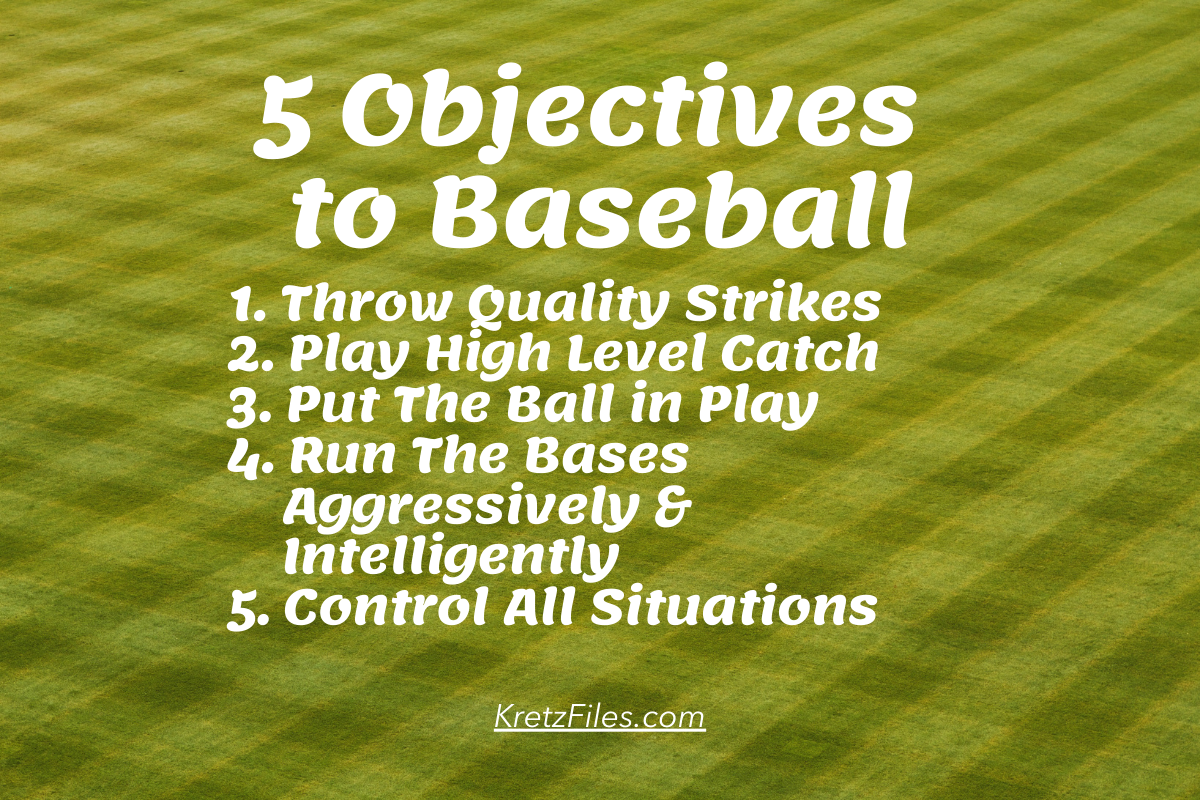
The 5 Objectives of Baseball
Teams that consistently execute these five objectives win more games:
Throw quality strikes
Play high-level catch
Put the ball in play
Run the bases aggressively and intelligently
Control all situations
Every effective baseball practice plan must intentionally train at least one and usually multiple of these objectives every day.
Why Routines Matter in Baseball Practice Plans
Winning programs run on routines.
Routines:
Eliminate wasted time
Reduce confusion
Build confidence
Allow assistants to coach independently
Every quality practice includes:
Warm-up & throwing
Individual drills
Group drills
Team drills
Each segment has a purpose.
Purpose of Each Segment
Warm-Up & Throwing
Dynamic movement
Arm care
Injury prevention
Preparation for full effort
Individual Drills
Skill isolation
Mental focus
Position-specific fundamentals
Group Drills
Situational movement
Communication
Timing and footwork
Team Drills
All nine players
Game situations
Decision-making under pressure
If players are not executing skills at game speed, you are training hope, not performance.
How Do You Run a Good Baseball Practice?
Three words:
Have. A. Plan.
How to write better baseball practice plans
A coach cannot just show up and “figure it out.” That’s not coaching. . . It’s survival.
At a minimum, spend 15–30 minutes planning the next practice. Every rep, rotation, and responsibility should be assigned before you step on the field.
Practice Time Management: The Hidden Advantage
Elite coaches protect practice time like gold.
Short teaching windows
Fast transitions
Clear expectations
At the end of every practice, you should be asking, “What did we improve today?”
Dynamic Warm-Up & Throwing (10–15 Minutes)
Every practice should start the same way.
Dynamic stretching (hips, ankles, shoulders, thoracic spine)
Short to long toss progression
Emphasis on grip, posture, and throwing through the glove
This routine prevents injury and prepares players for higher-intensity work later in practice.
Infield Development: Building the Foundation
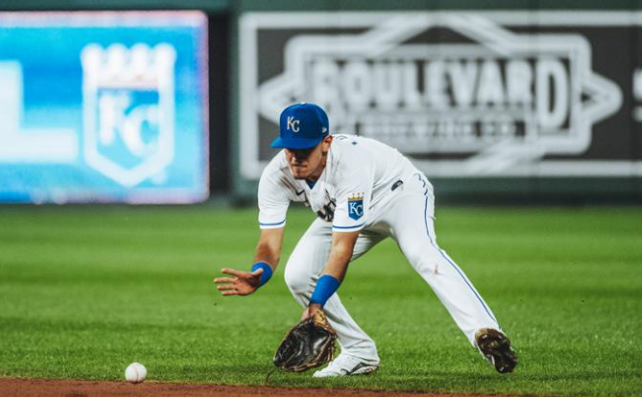
Infield Drills That Win Games
Infield work must be crisp, fast, and intentional.
Fungo ground balls from the ready position
Funnel through the ball to clean throws
Proper footwork at 2nd base and around the bag
Double-play feeds from shortstop and second base
Slow rollers to teach urgency and toughness
If you are hitting one ball at a time and having 8 players standing around, you are doing it ALL WRONG!
The best drills do work IF AND ONLY IF YOU TEACH HOW IT NEEDS TO BE DONE, WHY IT NEEDS TO BE DONE, AND THE EXPECTED RESULT.
Outfield Session: Where Games Are Won Late
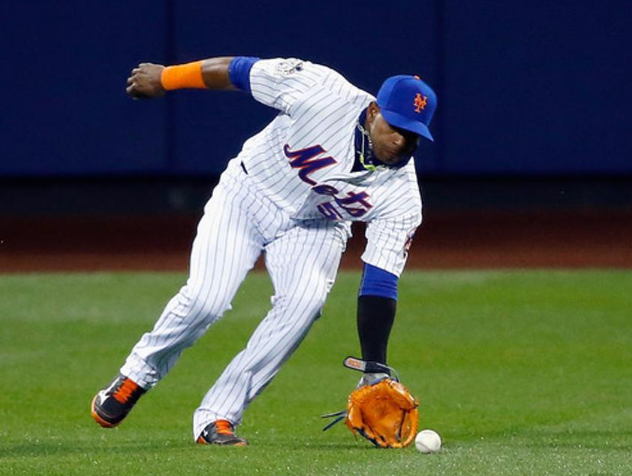
Outfield Drills List - Kretzfiles
Too many teams ignore the outfield. Smart coaches don’t.
Outfield Drills That Matter
Drop steps and angle reads
Catch-and-throw mechanics
Relay throws to home, 2nd, and 3rd
Communication along the foul line
Well-trained outfielders prevent extra bases and prevent (stop) extra runs from being scored.
Hitting Stations: Training the Swing for Situations
Great hitters aren’t just strong.
They’re situationally intelligent.
Hitting Station Setup
Tee work (outside corner emphasis)
Soft toss and front toss for timing
Live batting practice for realism
Teach hitters to:
Stay balanced on the back foot
Control the barrel
Drive the baseball with intent
Situational Hitting
Runner on 2nd: move him
Runner on 3rd, <2 outs: get him in
Hit-and-run reps
This is how hitting transfers to games.
Integrated Batting Practice Routine (Example)
This routine trains hitting, defense, and baserunning simultaneously.
4–6 players per group
7–10 minutes per round
Groups posted before practice
Rounds
Bunts (direction, squeeze, bunt-for-hit)
Situational hitting
Base hits + tee work + visualization
Baserunners rotate reads and reactions every pitch.
This is what efficient baseball practice plans look like.
Baseball Practice Plan Template (High School)
Total Time: 2–2.5 Hours
Dynamic Warm-Up & Throwing – 15–20 min
Individual Skill Work – 15–20 min
Group Defensive Drills – 15–20 min
Team Defensive Situations – 15–20 min
Hitting / Baserunning / Pitching – 40–60 min
Competitive Finish / Conditioning – 10–15 min
The template stays the same.
The content adapts to season, opponent, and roster.
How Long Is Baseball Practice in High School?
Most practices last 2 to 2½ hours, depending on:
Weather
Field access
Game schedule
Season phase
School activities
Always have a Plan B. My indoor practice routine rarely changed—only the emphasis did.
Weekly Practice Sessions Structure (Proven Model)
Monday / Wednesday / Friday
Stretch
Concentration drill
Running
Throwing by position
Defensive group work
Position simulations
Hitting & bunting
Tuesday / Thursday
Stretch
Throw
Signals
Baserunning
Pickoffs
Hit & run
Bunt defense
Special situations
Hitting
Saturday
Stretch
Throw
Infield / Outfield
Controlled scrimmage
Nothing gets skipped. Nothing gets rushed.
Coaching Resources that can help:
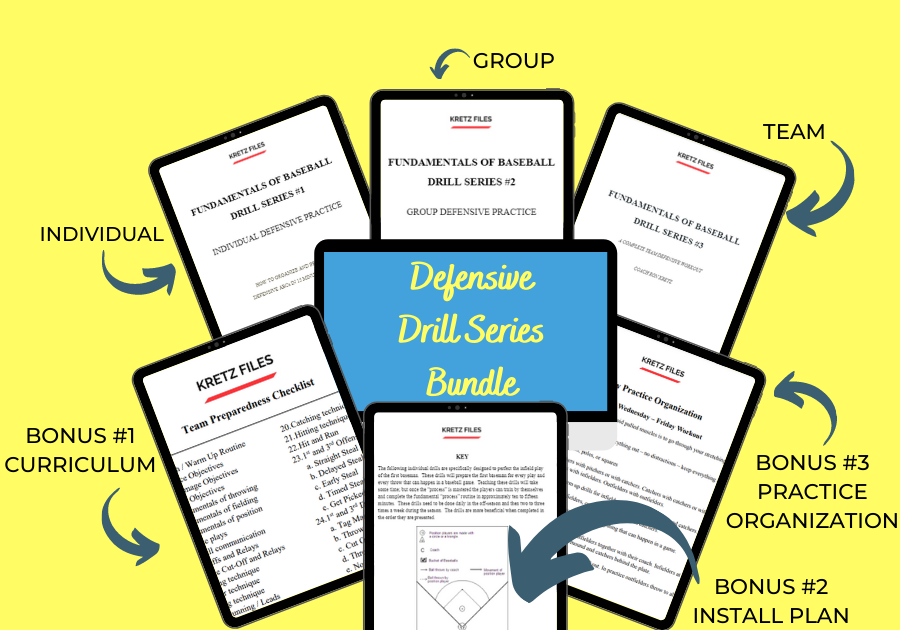
What To Do Before the First Day of Baseball Practice
Before teaching baseball, handle the business:
Medical clearance
Academic eligibility
Paperwork
Coaches, players, and parent meetings
Confirm schedules
Paperwork first. Teaching second.
What Should You Do on the First Day of Baseball Practice?
The first day is about evaluation and teaching, not conditioning contests.
If time is limited:
Watch players play catch
Observe arm action, footwork, and communication
Then move into:
Warm-up
Evaluation drills
Controlled game-like reps
Game speed. Game decisions.
Final Thoughts on Baseball Practice Plans
Effective baseball practice isn’t about doing more—it’s about doing what matters.
When you align:
Skill development
Smart practice plans
Focused drills
Efficient time management
Your players gain confidence, consistency, and composure.
Run practices with intention, energy, and purpose—and the results will show up where it matters most: On game day.
If you want install plans, printable templates, evaluation forms, and complete practice systems, I share them regularly at KretzFiles.com.
Coach smarter.
Practice with purpose.
Teach the game every day.
Need detailed resources backed by decades of experience? Then be sure to check out the Head Coach Bundle.

Monday Morning Staff Meeting Newsletter
Empowering coaches to elevate players, transform programs, and lead with confidence.
The Monday Morning Staff Meeting Newsletter is the only newsletter in the world dedicated to serving high school baseball coaches. Every Monday, the latest issue is sent to thousands of coaches. Each message includes tips, ideas and strategies for player, staff, and program development all backed by decades of successful experience as a high school baseball coach.
You can join this coaching staff for free by entering your email now.
WANT MORE?
What can I help you with?
I want help with Defensive Practice Plans
I want help planning my Pitcher's Weekly Routines
I want help organizing a year long baseball program
I want help with a Head Coach's Manual
I want help with Special Situations
I want to read the Articles
I want to take a look at all the Coaching Resources
Or if you just want to go back to what you were reading, hit BACK in your internet browser!